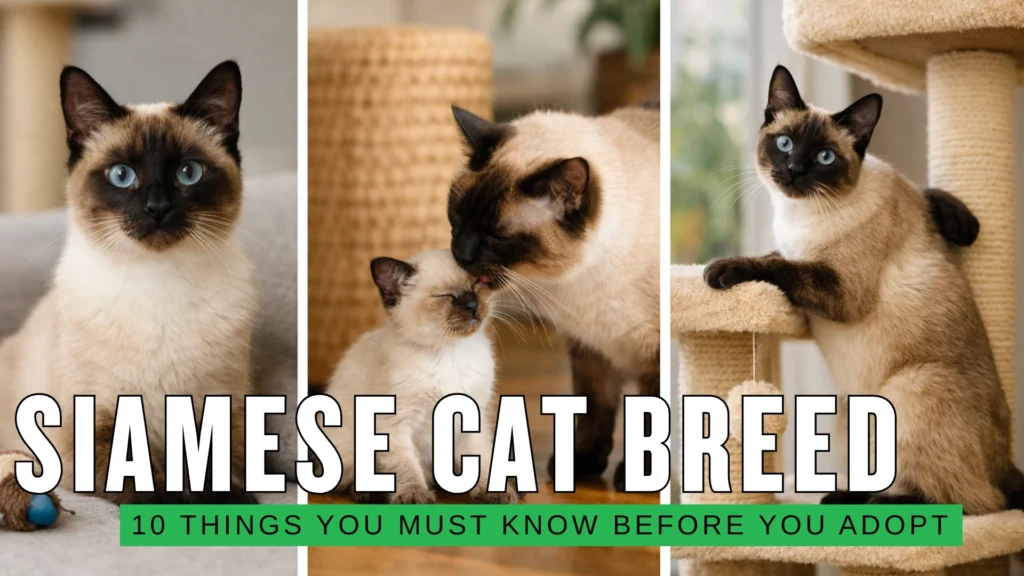

Are you thinking about welcoming a Siamese cat breed into your home? If yes, you are about to embark on one of the most rewarding journeys a pet lover can take. The Siamese cat breed is one of the oldest, most recognizable, and most beloved cat breeds in the entire world, and for very good reason. These stunning cats are not just beautiful to look at; they are intelligent, deeply affectionate, and full of personality.
However, before you rush out to adopt or purchase a Siamese cat, there are some very important things you must know. The Siamese cat breed is unlike most other cats. They have unique needs, specific health concerns, and a personality that can either be a perfect match for your lifestyle or a total mismatch. This comprehensive guide will walk you through everything from their ancient history and striking appearance to their health requirements, dietary needs, and what daily life with a Siamese cat actually looks like.
Whether you are a first-time cat owner or an experienced pet parent, this article covers the 10 most essential things to know about the Siamese cat breed so you can make an informed, confident decision.
1. The Siamese Cat Breed Has a Fascinating Ancient History
The Siamese cat breed is one of the world’s oldest and most historically significant domesticated cat breeds. Originating from Thailand (formerly known as Siam), these cats were considered sacred and were often kept in royal palaces and Buddhist temples. Historical manuscripts from Thailand dating back to the 14th century, known as the Tamra Maew (Cat Poems), contain some of the earliest known depictions of the Siamese cat breed.
The breed was first introduced to the Western world in the late 1800s. In 1878, U.S. President Rutherford B. Hayes reportedly received a Siamese cat as a diplomatic gift from the American Consul in Bangkok, making it one of the first documented Siamese cats in the United States. By the early 1900s, the Siamese cat breed had become extremely popular in Europe and North America, captivating cat lovers with its exotic appearance and charming personality.
Understanding this rich heritage helps explain why the Siamese cat breed carries such a regal, confident demeanor. They have literally been bred for centuries to be companions to royalty, and they know it!
2. A Temperature-Sensitive Gene causes Their Unique Appearance
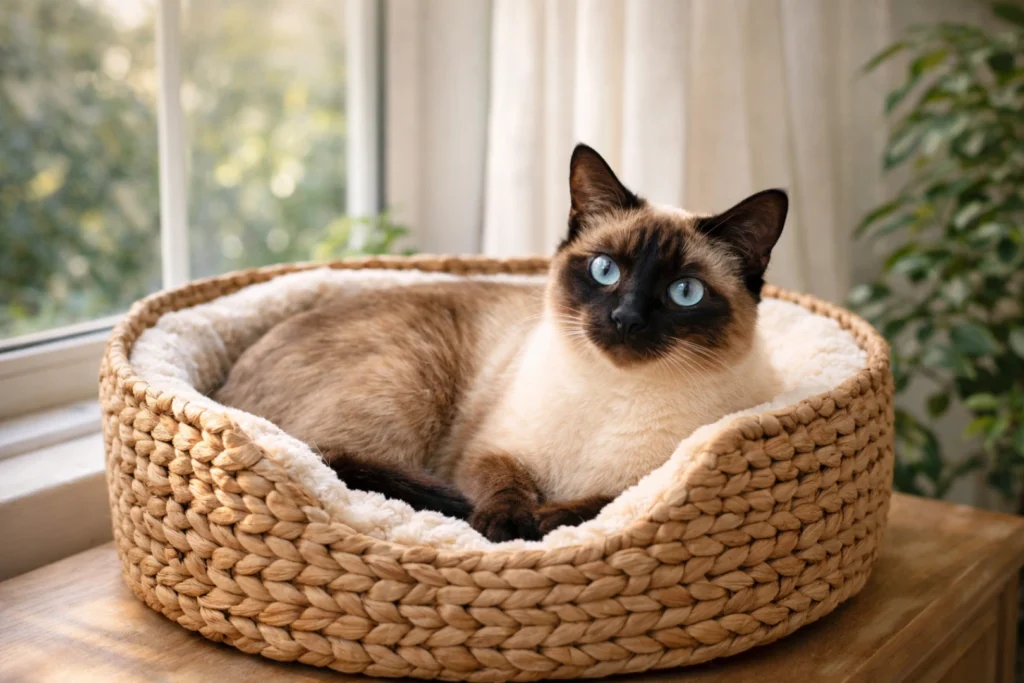
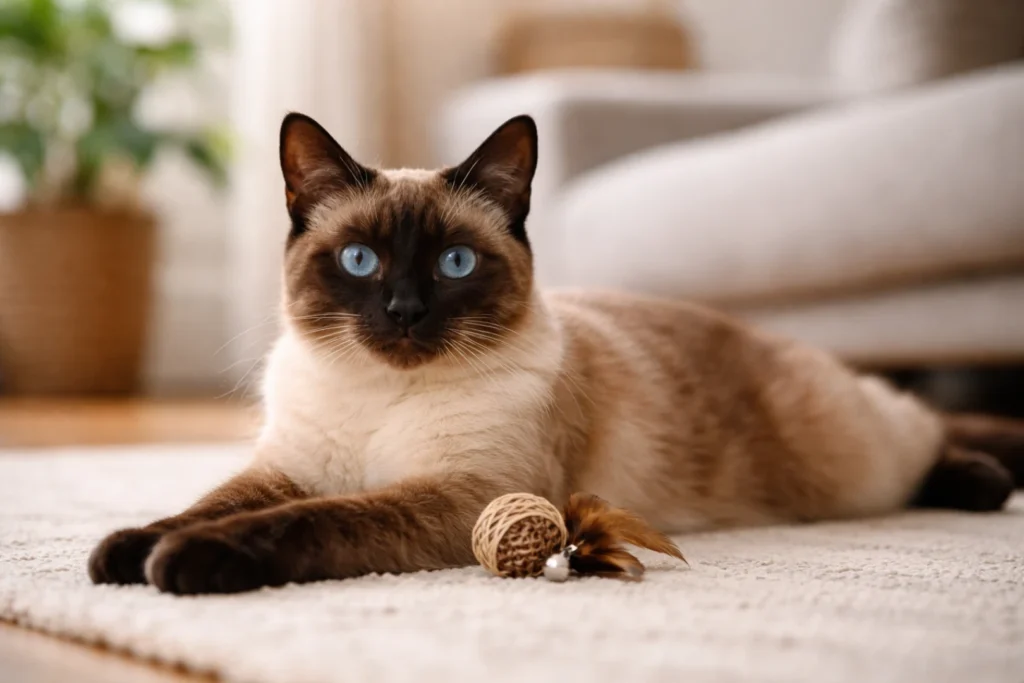
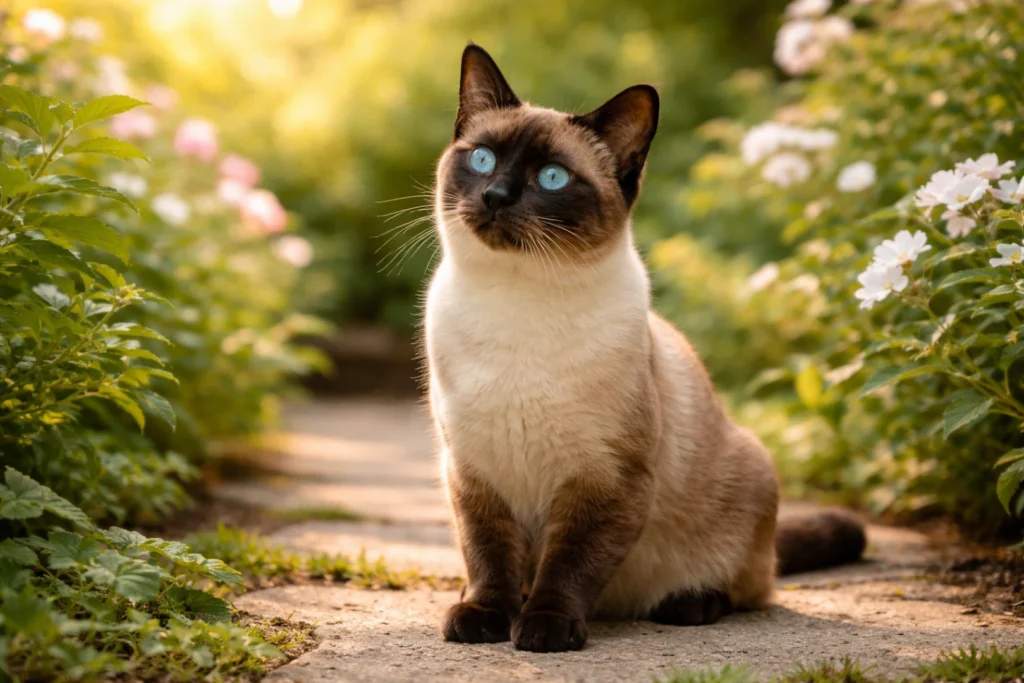
One of the most distinctive features of the Siamese cat breed is their striking “pointed” coloration pattern, where their face, ears, paws, and tail are darker than the rest of their body. But did you know this unique appearance is actually caused by a fascinating genetic mutation?
The Siamese cat breed carries a form of partial albinism controlled by a temperature-sensitive enzyme. This means that the enzyme responsible for pigmentation only activates in cooler areas of the body. The extremities, ears, face mask, paws, and tail are cooler than the rest of the body, which is why they develop darker pigmentation (known as “points”). The warmer central body remains a much lighter cream or fawn color.
The four most recognized point colors in the Siamese cat breed are:
• Seal Point — deep brown/black points on a cream body
• Blue Point — slate-gray points on a cold white body
• Chocolate Point — warm milk-chocolate points on an ivory body
• Lilac Point — pinkish-gray points on a glacial-white body
Interestingly, Siamese breed kittens are born completely white and only develop their distinctive points as they grow older and their body temperature regulation matures.
3. Siamese Cats Are Extremely Vocal, so Be Prepared!
If you are looking for a quiet, independent cat that minds its own business, the Siamese cat breed is absolutely not for you. Siamese cats are famously and notoriously vocal. They possess a loud, raspy, demanding meow that many people describe as sounding almost like a crying human baby. This vocalization is called a “meezer” by Siamese enthusiasts, and these cats are not shy about using it.
Siamese cats will vocalize to tell you they are hungry, bored, want attention, are not happy with something you did, or simply want to have a conversation with you. Yes, a conversation. These cats genuinely seem to expect you to respond to their meows, and many owners find themselves having full back-and-forth “discussions” with their Siamese cats on a daily basis.
This extreme vocalization is both one of the most endearing and most challenging aspects of living with the Siamese cat breed. If you live in an apartment with thin walls or have neighbors in close proximity, you should seriously consider whether a Siamese cat’s vocal nature fits your living situation.
4. They Are One of the Most Social and People-Oriented Cat Breeds
The Siamese cat breed is often described as “dog-like” in their social behavior, and this is one of the most accurate descriptions you will find. Unlike many cat breeds that value their independence and alone time, Siamese cats crave constant human interaction and companionship. They will follow you from room to room, sleep in your bed, sit on your lap while you work, and generally want to be involved in everything you do.
Siamese cats also tend to bond very deeply with one or two specific people in the household, showing them preferential treatment and intense loyalty. While they are generally friendly with everyone, their bond with their “person” is especially strong and emotionally significant.
This social nature, however, comes with an important caveat: the Siamese cat breed does not do well when left alone for long periods. They can develop anxiety, depression, and destructive behaviors when isolated. If you work long hours away from home, you should seriously consider either:
• Get two Siamese cats together so they can keep each other company
• Arranging for someone to check in on your cat during the day
• Providing plenty of interactive toys and mental stimulation
The Siamese cat breed thrives in homes where someone is present most of the time or where there are other pets to interact with.
5. Siamese Cats Are Highly Intelligent and Need Mental Stimulation
The Siamese cat breed is widely considered one of the most intelligent cat breeds in the world. This intelligence is both a joy and a challenge for its owners. On the positive side, Siamese cats can be trained to perform tricks, walk on a leash, play fetch, and even respond to their names consistently. They are curious, observant, and incredibly quick learners.
However, that same intelligence means that a bored Siamese cat is a destructive Siamese cat. If they do not have enough mental stimulation, they will find their own entertainment, and you may not appreciate their choices. This could mean knocking things off shelves, opening cabinets, chewing on cords, or demanding your attention at 3 AM.
To keep your Siamese cat mentally engaged, experts recommend:
• Puzzle feeders and interactive food toys
• Wand toys and feather teasers for active play sessions
• Window perches with bird feeders outside for visual stimulation
• Cat trees and climbing structures
• Clicker training sessions to teach new behaviors
A mentally stimulated Siamese cat breed is a happy, well-behaved companion. Neglect their mental needs, and you will quickly find yourself living with a furry troublemaker.
6. Common Health Issues You Need to Know About
Like all purebred cats, the Siamese cat breed is predisposed to certain genetic health conditions. Being aware of these health issues before bringing a Siamese cat home will help you make proactive decisions about their care and choose a reputable breeder who screens for these conditions.
The most common health concerns in the Siamese cat breed include:
• Progressive Retinal Atrophy (PRA): A genetic condition that can lead to vision loss over time. Responsible breeders test for this.
• Amyloidosis: A liver disease that is unfortunately more common in the Siamese cat breed than in other breeds. Regular liver function tests are recommended.
• Respiratory Issues: Due to their wedge-shaped head and narrow nasal passages, some Siamese cats can be prone to upper respiratory infections.
• Dental Disease: Siamese cats can be prone to periodontal disease, making regular dental care essential.
• Heart Disease (HCM): Hypertrophic cardiomyopathy can occasionally affect the Siamese cat breed, so regular cardiac screenings are advisable.
Always purchase a Siamese cat breed from a reputable breeder who provides health guarantees and genetic testing documentation. Regular veterinary check-ups at least once a year are essential for keeping your Siamese cat healthy and catching any issues early.
7. Their Diet and Nutrition Needs Are Specific
The Siamese cat breed is naturally lean and muscular, and maintaining a healthy weight is important for their overall well-being. While they are not as prone to obesity as some other breeds, they can develop weight issues if their diet is not properly managed, especially since they tend to be less active as they age.
Veterinary nutritionists generally recommend the following dietary guidelines for the Siamese cat breed:
• High-Protein Diet: As obligate carnivores, Siamese cats thrive on high-quality animal protein. Look for cat foods where a named meat (chicken, turkey, salmon) is the first ingredient.
• Limited Carbohydrates: Cats do not need carbohydrates in large quantities. Foods with excessive grains or fillers should be avoided.
• Wet Food: Incorporating wet food into their diet helps with hydration, which is especially important for urinary and kidney health.
• Portion Control: Free-feeding is not recommended. Measured meals 2-3 times per day help maintain a healthy weight.
• Fresh Water: Always provide them fresh, clean water. A cat water fountain is an excellent investment, as many cats prefer running water.
Always consult with your veterinarian about the best diet plan for your specific Siamese cat, especially as they age or if they have specific health conditions.
8. Grooming the Siamese Cat Breed Is Surprisingly Low-Maintenance
One of the great advantages of the Siamese cat breed is their remarkably low-maintenance coat. Unlike Persian or Maine Coon cats that require daily brushing to prevent matting, the Siamese cat has a short, fine, glossy coat that lies close to the body. This means significantly less shedding and far fewer grooming requirements.
A basic grooming routine for the Siamese cat breed should include:
• Brushing: Once a week with a soft-bristle brush or rubber grooming mitt is sufficient to remove loose hair and keep their coat shiny.
• Bathing: Occasional baths (every 4-6 weeks) can help keep their coat clean and reduce any dander. Most Siamese cats tolerate bathing better than other breeds when introduced to it early.
• Nail Trimming: Every 2-3 weeks to prevent overgrowth and keep furniture safe.
• Ear Cleaning: Check ears weekly for wax buildup or signs of infection. Clean gently with a vet-approved ear cleaner.
• Dental Hygiene: Brush teeth several times a week using cat-specific toothpaste to prevent periodontal disease.
The grooming process is also an excellent opportunity to bond with your Siamese cat. Since they love attention, most Siamese cats actually enjoy the one-on-one time that grooming provides.
9. Siamese Cats Are Surprisingly Good With Children and Other Pets
If you have a busy household with children or other pets, the Siamese cat breed is an excellent choice. Unlike some cat breeds that prefer solitude and quiet environments, Siamese cats generally thrive in active, social households. Their playful, outgoing nature makes them wonderful companions for older children who understand how to interact respectfully with cats.
When it comes to other pets, the Siamese cat breed typically gets along well with:
• Other cats: Especially other Siamese cats or similarly social breeds. Having a feline companion is often highly recommended for Siamese cats to prevent loneliness.
• Dogs: With proper socialization and introduction, many Siamese cats form strong bonds with dog companions, particularly gentle, cat-friendly breeds.
However, there are important considerations:
• Young children should always be supervised when interacting with any cat. Teach children to approach cats calmly and respect their boundaries.
• Introductions to new pets should be gradual and carefully managed to prevent stress and establish positive associations.
• Small animals like hamsters, birds, or fish may not be safe around a Siamese cat due to their strong prey drive.
Overall, the Siamese cat breed’s social, adaptable nature makes them one of the best choices for families as long as proper introductions and boundaries are established from the beginning.
10. The Cost of Owning a Siamese Cat Breed: What to Budget For
Before bringing home a Siamese cat, it is essential to understand the financial commitment involved. Owning any pet comes with costs, but purebred cats like the Siamese can have specific expenses that you need to be prepared for.
Cost Breakdown for Siamese Cat Ownership (USA):
Expense One-Time Cost Annual Cost
| Purchase / Adoption | $400 – $2,500 |
| Initial Vet Visit + Vaccines | $150 – $300 |
| Spay / Neuter | $200 – $500 |
| Food (high-quality) | $500 – $900 |
| Litter & Litter Box | $50 – $350 |
| Veterinary Care | $300 – $600 |
| Pet Insurance | $300 – $600 |
| Toys, Trees & Accessories | $100 – $300 |
| Grooming Supplies | $50 – $100 |
In total, you should budget approximately $1,500 – $5,000 for the first year of Siamese cat ownership, and $1,200 – $2,500+ annually after that. Pet insurance is strongly recommended for the Siamese cat breed, given their potential health predispositions.
Keep in mind that adopting a Siamese cat from a rescue organization can significantly reduce initial costs. There are many Siamese-specific rescue groups across the United States where you can find beautiful cats in need of loving homes.
BONUS: Is the Siamese Cat Breed Right for You? Quick Checklist
Before making your final decision, use this quick checklist to assess whether the Siamese cat breed is the right fit for your lifestyle:
[✓] I am home often or have other pets to keep a Siamese company
[✓] I enjoy an interactive, communicative relationship with my pet
[✓] I can tolerate (and actually enjoy) a vocal cat
[✓] I have time to play and engage with my cat every day
[✓] I can budget for quality food, regular vet care, and pet insurance
[✓] I want a cat that will follow me around and be my constant companion
[✓] My household is stable and not overly chaotic or stressful
If you checked most of these boxes, the Siamese cat breed could be your perfect feline companion! If several of these give you pause, take your time and research thoroughly before committing.
Final Thoughts: Is the Siamese Cat Breed Worth It?
Absolutely, without a single doubt. The Siamese cat breed is one of the most extraordinary animals you will ever have the privilege of sharing your life with. They are intelligent, breathtakingly beautiful, deeply loving, and endlessly entertaining. Once a Siamese cat chooses you as their person, you will have a loyal companion who will be with you through every moment of your day — loudly, lovingly, and completely.
Yes, they require more time, attention, and engagement than many other cat breeds. Yes, they can be loud and demanding. Yes, there are health considerations and financial commitments to plan for. But for the right owner, every single one of those “challenges” is actually a feature, not a bug.
If you want a cat that will sit beside you, talk to you, play with you, cuddle with you, and make every day of your life a little more joyful, the Siamese cat breed is exactly what you have been looking for. Do your research, find a reputable breeder or rescue organization, prepare your home, and get ready to fall completely and utterly in love.
Welcome to the wonderful, loud, beautiful world of the Siamese cat breed.