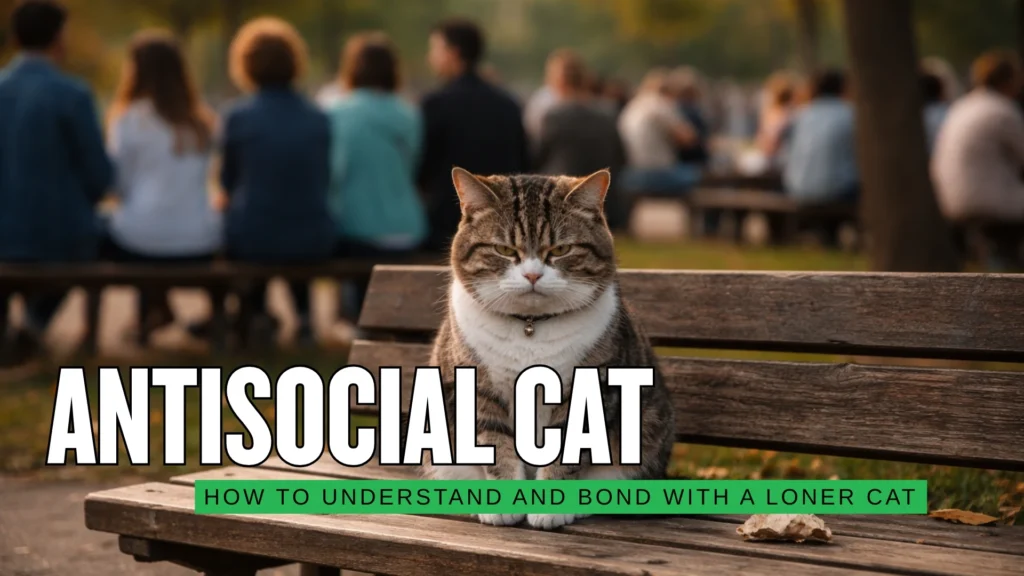

If you share your home with a cat who hides under the bed, runs from guests, or refuses to cuddle no matter how hard you try, you may be living with an antisocial cat. While dogs are famous for their enthusiastic greetings and desire for companionship, cats have a well-earned reputation for independence, and some take that independence to the extreme.
But here is the truth most cat owners need to hear: an antisocial cat is not a broken cat. It is not a cat that hates you. In most cases, antisocial behavior in cats is rooted in fear, past trauma, or a lack of early socialization. The good news? With patience, consistency, and the right approach, even the most withdrawn loner cat can learn to trust and sometimes even enjoy human company.
In this guide, we will explore everything you need to know about antisocial cats: what causes this behavior, how to recognize the signs, when to be concerned, and most importantly, how to build a genuine bond with your aloof feline companion.
Whether you have just adopted a shy rescue cat or your once-friendly cat has suddenly become distant, this article will help you understand what is going on and what you can do about it.
What Is an Antisocial Cat?
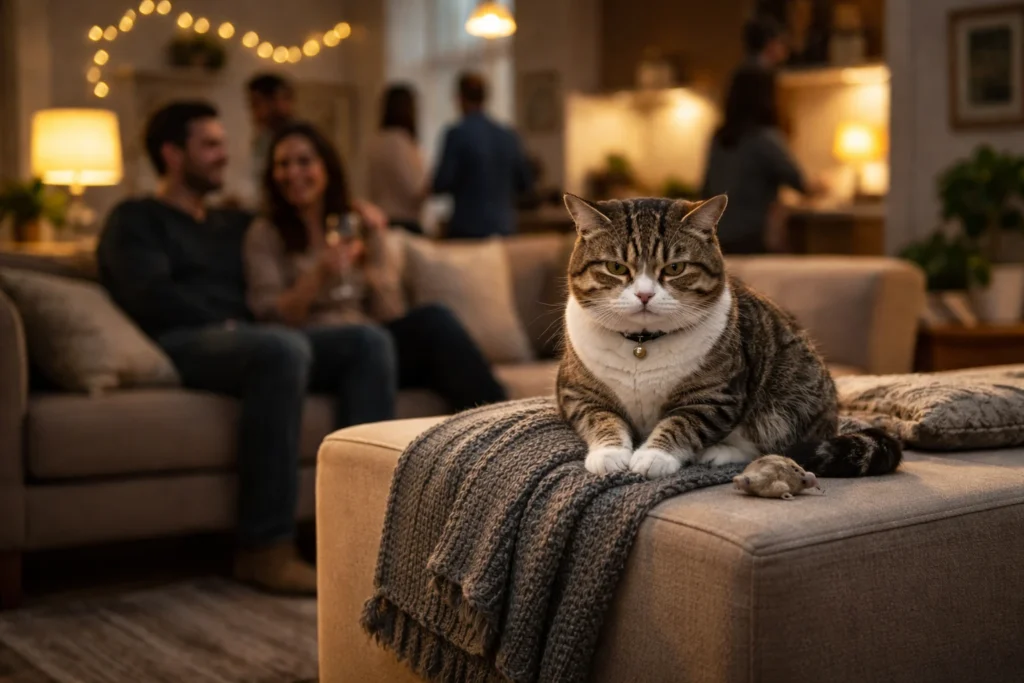
The term “antisocial cat” refers to a cat that consistently avoids or resists social interaction with humans, other pets, or both. Unlike simply being independent (which is normal for cats), an antisocial cat may:
- Actively hide when people are present.
- Hiss, growl, or scratch when approached.
- Refuse all forms of physical touch.
- Show signs of stress or fear in social situations.
- Avoid eye contact and seem uncomfortable around people.
It is important to understand that antisocial behavior exists on a spectrum. Some cats are mildly aloof; they prefer to observe from a distance but eventually warm up on their own terms. Others are severely withdrawn and may spend entire days hiding, only emerging to eat, drink, and use the litter box.
Neither extreme makes a cat “bad” or unworthy of love. It simply means they experience the world differently and need a different approach from their owners.
Is My Cat Antisocial or Just Independent? This is one of the most common questions cat owners ask. The difference lies in the level of distress.
An independent cat chooses when to engage. They may not want to sit in your lap, but they will comfortably lounge in the same room. They accept occasional petting without stress and do not panic when guests arrive.
An antisocial cat, on the other hand, shows visible signs of fear or anxiety in social situations. Their body language communicates discomfort, flattened ears, a puffed tail, dilated pupils, and a crouched posture. This is not a preference for alone time. It is a stress response.
Understanding this distinction is critical because it changes how you respond. An independent cat needs space and respect. An antisocial cat needs patient reassurance and, in some cases, professional guidance.
Common Causes of Antisocial Behavior in Cats
To help your antisocial cat, you first need to understand why they behave the way they do. There are several well-documented reasons a cat may develop antisocial tendencies.
- Lack of Early Socialization
The most significant factor in a cat’s social behavior is what happened during their first two to seven weeks of life, a period known as the socialization window. During this critical phase, kittens form their understanding of what is safe and what is threatening.
Kittens that are handled regularly by humans during this window typically grow up comfortable around people. Those that were not, whether they were feral, abandoned, or simply undersocialized, may never fully develop that comfort. For these cats, humans feel inherently dangerous, even if they have never been harmed by a person.
If you have adopted a rescue cat that was found as a stray or lived in a shelter for a long time, a lack of early socialization is very likely at the root of their antisocial behavior.
- Trauma or Negative Past Experiences
Cats have excellent memories, particularly for negative experiences. A cat that was abused, neglected, or frightened by humans in the past may associate all humans, including kind, gentle ones, with danger.
This is especially common in rescue cats and cats rehomed from difficult situations. Even something that seems minor to us, a loud noise, being grabbed unexpectedly, or a visit to the vet, can leave a lasting impression on a sensitive cat.
Signs that past trauma may be involved include: flinching at sudden movements, fear of specific objects (like brooms or shoes), cowering when voices are raised, or showing extreme fear during routine activities like grooming or nail trimming.
- Genetics and Temperament
Just like humans, cats are born with different personality types. Research has shown that the temperament of a cat’s father, even if the kitten never met him, has a significant influence on how bold or fearful the kitten becomes.
Some cats are genetically predisposed to be cautious, nervous, or reactive. These cats are not antisocial because something went wrong. They are simply built differently, and they need an owner who understands and accommodates their nature rather than trying to change it entirely.
- A New or Stressful Environment
Cats are territorial creatures. They are deeply attached to their environment, and any significant change, such as moving to a new home, the arrival of a new pet, a new baby, or even rearranged furniture, can cause temporary antisocial behavior.
If your cat was friendly and sociable before a major life change and has since become withdrawn, environmental stress is a likely culprit. In most cases, once the cat adjusts to the new situation, their social behavior gradually improves.
- Medical Conditions and Pain
This is a cause that many cat owners overlook, but it is critically important. A cat that is in pain or feeling unwell often withdraws from social interaction as a protective response. Conditions like dental disease, arthritis, hyperthyroidism, urinary tract infections, or neurological issues can all cause a previously friendly cat to become suddenly antisocial.
If your cat’s behavior has changed noticeably and quickly, a visit to the veterinarian should be your first step before trying any behavioral interventions. Never assume sudden antisocial behavior is “just their personality” It could be a sign of an underlying medical issue.
Signs You Have an Antisocial Cat
Recognizing the signs of an antisocial cat helps you respond appropriately rather than making the situation worse. Here are the most common behavioral indicators:
Hiding Behavior
An antisocial cat often spends a significant portion of the day in hiding spots under beds, inside closets, behind furniture, or in high, hard-to-reach places. While all cats enjoy hiding occasionally, an antisocial cat hides as a default state, not an occasional choice.
Avoidance of Human Contact
Your cat may leave the room when you enter, refuse to come near you even for food, or position themselves always just out of reach. This deliberate avoidance is a clear sign of discomfort around humans.
Defensive Aggression
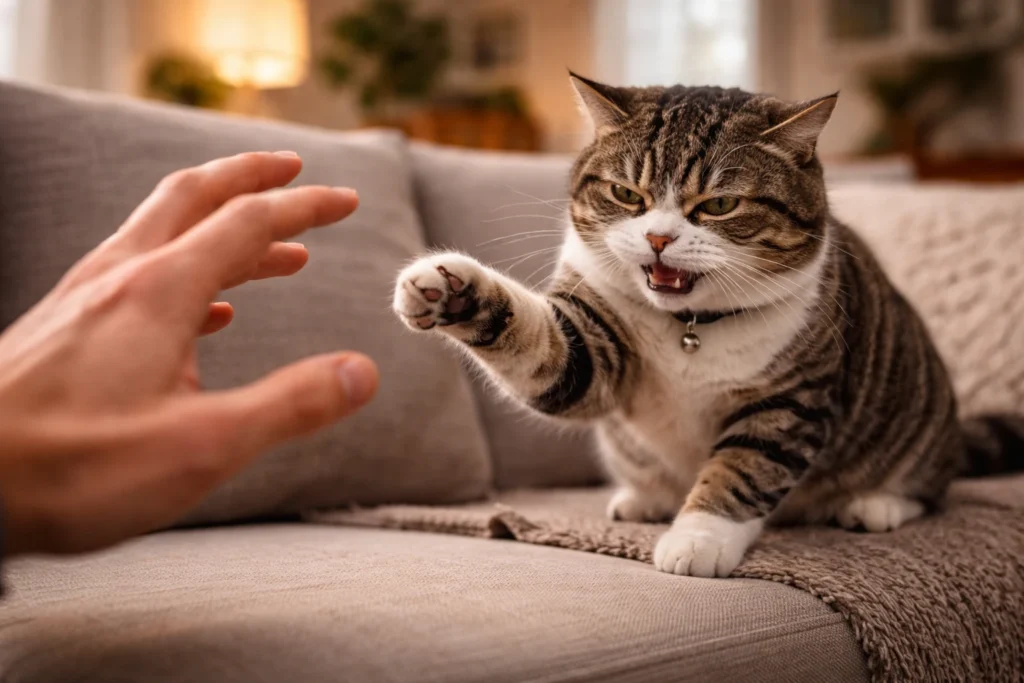
Hissing, growling, swatting, scratching, or biting when approached are all signs of a cat that feels threatened. This is not aggression for the sake of aggression, it is a scared cat’s way of saying “please stay away from me.”
Stiff Body Language
Antisocial cats often show tense body language even when not being approached directly. Look for: a low, crouched posture, a puffed tail, flattened ears, wide or dilated eyes, and whiskers pulled back against the face.
Stress-Related Behaviors
Overgrooming (which can lead to bald patches), under-grooming, changes in appetite, irregular litter box use, or excessive vocalization can all be signs of chronic stress in an antisocial cat.
The Difference Between an Antisocial Cat and a Feral Cat
It is worth taking a moment to distinguish between an antisocial cat and a truly feral cat, as the approach to each is quite different.
A feral cat has had little to no positive contact with humans, typically from birth. They live and behave like wild animals. Feral cats rarely become friendly house pets as adults, though they can sometimes be tamed with extraordinary patience, particularly if they are young.
An antisocial cat, by contrast, is a domesticated cat that has become fearful or avoidant due to socialization gaps or negative experiences. These cats have the capacity to bond with humans, it just takes more time and effort than it would with a naturally sociable cat.
If you have taken in a cat and are unsure whether they are feral or simply deeply antisocial, a veterinarian or animal behaviorist can help you assess the situation and set realistic expectations.
How to Bond With an Antisocial Cat: 10 Proven Strategies
Bonding with an antisocial cat is a slow, methodical process. The biggest mistake owners make is trying to force affection by picking the cat up, following them into hiding spots, or trying to pet them before they are ready. This approach consistently backfires and makes the cat even more withdrawn.
Here are ten strategies that actually work–
- Create Safe Spaces and Respect Them
Before anything else, make sure your antisocial cat has multiple safe spaces in your home, places where they can hide and feel completely unthreatened. Cat trees with enclosed spaces, cardboard boxes, and quiet rooms away from high-traffic areas are ideal.
The golden rule: never follow your cat into their safe space. This is the one place where they must feel completely secure. If you invade that space, you lose the cat’s trust and eliminate the one refuge they rely on.
- Let the Cat Set the Pace
This is the most important principle in working with an antisocial cat. Forget your timeline. Forget your expectations. Let the cat decide when they are ready to approach.
Some cats begin to warm up within weeks. Others take months or even years. There is no formula. Your only job is to remain patient, consistent, and non-threatening so that when the cat is ready to reach out, they feel safe to do so.
- Use Slow Blinking to Communicate Safety
Cats communicate trust and affection through slow, deliberate blinking. When you make eye contact with your antisocial cat, try closing your eyes slowly and reopening them, the feline equivalent of a smile.
If your cat slow-blinks back, that is a significant sign of trust. Over time, this simple technique can help establish a non-threatening communication channel between you and your loner cat.
- Sit on the Floor
Standing over a cat is perceived as dominant and threatening, especially by a scared cat. Instead of approaching your antisocial cat, try sitting or lying on the floor in the same room and simply existing near them. Read a book. Watch a show. Do not look at the cat or try to interact.
This technique, sometimes called “parallel play,” allows the cat to observe you from a safe distance and begin to realize that you are not a threat. Many cat owners are surprised to find that their antisocial cat slowly starts creeping closer over time, entirely on their own terms.
- Use Food as a Bridge
Food is one of the most powerful tools for building trust with an antisocial cat. Start by placing high-value treats (like small pieces of cooked chicken or freeze-dried meat) near the cat’s safe space and backing away. Gradually, over days and weeks, move the treats slightly closer to where you sit.
The goal is to create a positive association between your presence and something wonderful food. Eventually, you can work toward hand-feeding, which is one of the most powerful trust-building exercises available.
- Talk to Your Cat Gently
Your voice is a tool. A calm, soft, rhythmic voice helps an antisocial cat learn that you are not a threat. Talk to your cat while you go about your day, not to get a response, but simply to normalize your presence.
Avoid high-pitched squealing (which can be startling), sudden loud tones, and calling the cat’s name repeatedly in a way that feels demanding. The goal is to make your voice a background comfort rather than a source of anxiety.
- Introduce Touch Slowly and Strategically
When your antisocial cat eventually allows you to come close, resist the urge to immediately pet them all over. Start with the least threatening areas: the head, the cheeks, the base of the ears. These are areas where cats groom each other and places they naturally enjoy being touched.
Avoid the belly, legs, and tail, which many cats find overstimulating. Keep petting sessions very short at first, just a few seconds and let the cat walk away whenever they choose. Gradually increase the duration as trust develops.
- Use Pheromone Products
Synthetic feline pheromone products available as diffusers, sprays, or collars can significantly reduce anxiety in stressed or antisocial cats. These products mimic the natural calming pheromones that cats produce, helping your cat feel safer in their environment.
Products like Feliway have been studied extensively and are recommended by veterinarians and animal behaviorists. They will not transform your cat overnight, but they can take the edge off enough to make bonding progress more possible.
- Establish a Predictable Routine
Unpredictability is stressful for an antisocial cat. When they cannot anticipate what will happen next, they remain on high alert. A consistent daily routine, regular feeding times, play sessions at the same time each day, and quiet periods in the evening help your cat build a mental map of their world.
Over time, predictability equals safety in a cat’s mind. A cat that knows what to expect from you is a cat that can begin to relax around you.
- Never Punish, Startle, or Force
This should go without saying, but it bears repeating: punishment, startling, and forced interaction are the fastest ways to permanently damage your relationship with an antisocial cat. Spraying water, shouting, sudden movements, or restraining your cat all confirm their worst fears about humans.
If your cat hisses, bites, or scratches, the appropriate response is to calmly and quietly withdraw. Give them space. Do not react with anger. An antisocial cat that acts defensively is communicating genuine fear, responding with force teaches them that fear was justified.
When to Seek Professional Help
Most antisocial cats can make meaningful progress with patient home management. However, there are situations where professional help is warranted.
Consider consulting a veterinarian if:
- Your cat’s antisocial behavior began suddenly or changed significantly.
- Your cat shows signs of physical illness alongside behavior changes.
- Your cat is overgrooming to the point of injuring themselves.
- Your cat has stopped eating, using the litter box, or engaging in basic activities.
Consider consulting a certified animal behaviorist if:
- Your cat shows severe aggression that poses a risk of injury
- After months of patient effort, there has been no progress whatsoever
- You have multiple pets, and the antisocial cat’s distress is causing conflict throughout the household.
A behaviorist can assess your specific situation, identify triggers you may have missed, and develop a customized desensitization plan for your cat.
Living Happily With a Loner Cat: Adjusting Your Expectations
Perhaps the most important shift you can make as the owner of an antisocial cat is adjusting your expectations.
Not every cat will become a lap cat. Not every antisocial cat will one day greet you at the door or snuggle with you on the sofa. And that is okay. The goal of bonding with an antisocial cat is not to transform them into a different cat; it is to help them live a calmer, less fearful life and to find a form of connection that works for both of you.
Celebrate small victories. The first time your antisocial cat eats from your hand is huge. The first time they enter the same room willingly, make eye contact without fleeing, or sleep on the bed, even at the far corner, these are all signs of real progress.
Some antisocial cats develop what owners describe as “distant affection” They will not cuddle, but they will follow you from room to room, position themselves where they can see you, or press briefly against your legs before retreating. This is love, on their terms. Learn to recognize it and appreciate it.
Can an Antisocial Cat Ever Fully Change?
The honest answer is: it depends. Cats that become antisocial due to environmental stress or a specific negative experience often recover quite fully once the stressor is removed and trust is rebuilt. Cats that were undersocialized as kittens or have a naturally fearful temperament may always be more reserved than an average cat.
Research in animal behavior consistently shows that early intervention produces the best outcomes. The younger a cat is when you begin patient, positive socialization efforts, the more significant the change you are likely to see.
That said, meaningful improvement is possible at any age. Even adult and senior antisocial cats can learn to feel safer and more comfortable with dedicated, patient effort. The keyword is patient. This is measured in months, not days.
Quick Tips Summary: Bonding With Your Antisocial Cat
- Provide multiple safe hiding spaces and never invade them.
- Let the cat set the pace; never force interaction.
- Practice slow blinking to communicate safety
- Sit on the floor rather than looming over the cat.
- Use high-value food treats to build positive associations.
- Speak in a calm, soft voice throughout the day.
- Touch gradually, starting with the head, and keep sessions short.
- Try pheromone diffusers to reduce ambient anxiety.
- Maintain a consistent, predictable daily routine.
- Never punish, startle, or physically force your cat.
Conclusion
Living with an antisocial cat requires a fundamental shift in how we think about companionship. Our instinct is to offer affection freely and expect it to be received warmly. An antisocial cat challenges us to offer affection differently, quietly, indirectly, and on a timeline that belongs entirely to them.
But here is what experienced cat owners will tell you: the bond you eventually form with an antisocial cat is one of the most rewarding relationships you will ever have with a pet. Every inch of progress is earned. Every moment of trust is meaningful. When a loner cat finally chooses to curl up near you, even across the room, you know it is genuine.
Your antisocial cat is not broken. They are cautious. They have their own language, their own way of showing care, and their own pace of learning that the world is safe. Your job is simply to prove to them, one quiet day at a time, that you are someone worth trusting.
With patience, consistency, and genuine respect for who your cat is, you can build something beautiful even with the loneliest of loner cats.