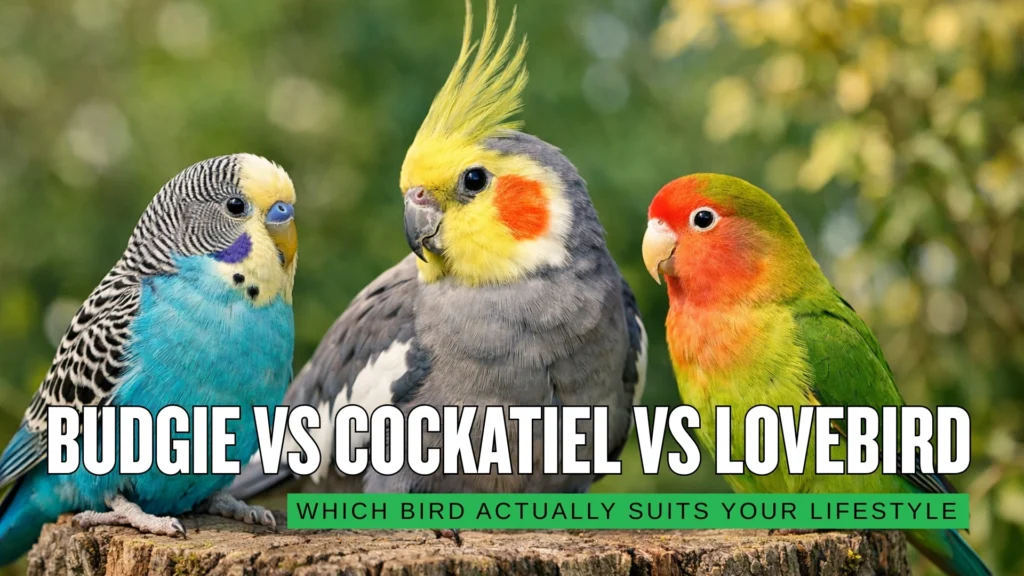

Budgie vs Cockatiel vs Lovebird, So you have decided to bring a feathered friend into your home, congratulations! But now comes the tough part: choosing between a budgie, a cockatiel, or a lovebird. Each of these small parrots has a devoted fan base, and for good reason. They are all colorful, intelligent, and capable of forming deep bonds with their owners. But they are also surprisingly different in temperament, care requirements, noise level, and social needs.
The wrong choice can lead to frustration for both you and your bird. The right choice, however, can mean decades of joy, laughter, and genuine companionship.
In this detailed guide, we will compare budgies, cockatiels, and lovebirds across the following major categories: personality, noise, lifespan, cost, care needs, and suitability for different lifestyles. By the end, you will know exactly which bird actually fits your life.
Let us dive in.
A Quick Introduction to Each Bird
Before we start comparing, let us get to know each bird individually.
What Is a Budgie (Budgerigar)?
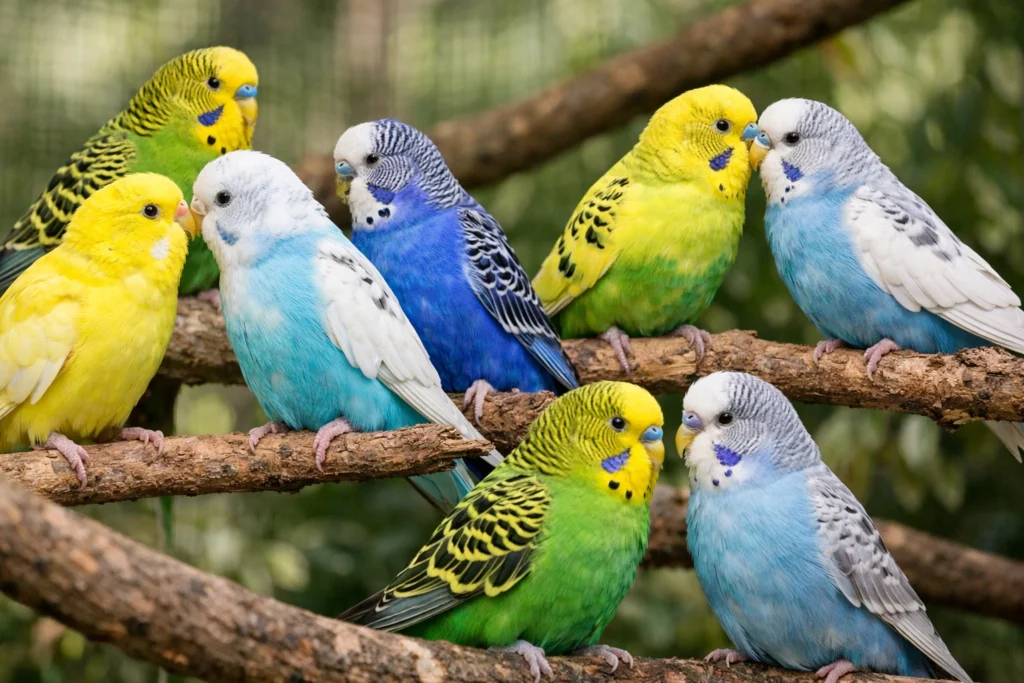
The budgerigar, commonly known as a budgie or parakeet, is the world’s most popular pet bird, and that popularity is well deserved. Native to Australia, budgies are small, social, and surprisingly intelligent. They come in a wide range of colors, including green, blue, yellow, white, and purple. Adult budgies typically weigh between 25 and 35 grams and measure about 7 inches long.
Budgies are known for their ability to mimic human speech, often building impressive vocabularies. They are active, playful, and relatively easy to tame when handled from a young age. For first-time bird owners, budgies are almost always the recommended starting point.
What Is a Cockatiel?
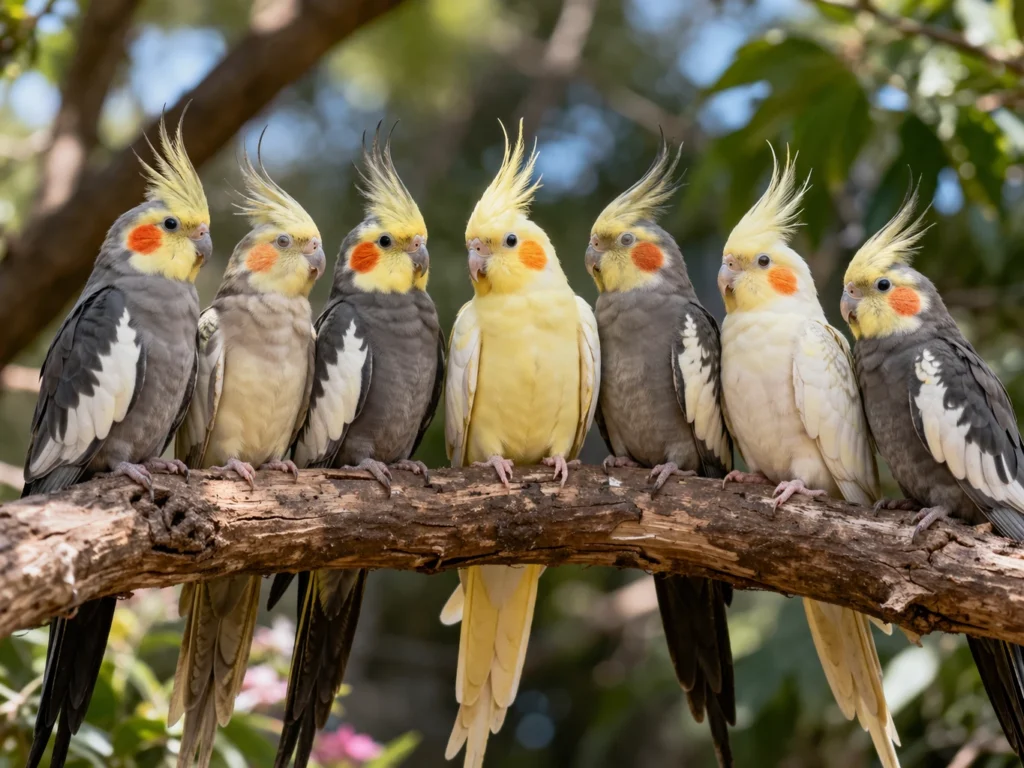
The cockatiel is a medium-sized parrot also native to Australia. They are instantly recognizable by their distinctive crest feathers and the bright orange cheek patches found on most color variations. Cockatiels typically weigh between 75 and 125 grams and measure around 12 to 13 inches long, making them noticeably larger than budgies.
Cockatiels are known for being gentle, affectionate, and easy to handle. They are excellent whistlers and can learn complex tunes. While some cockatiels do learn to talk, they are generally better known for their musical ability than their vocabulary. They are often described as the “golden retrievers” of the bird world: friendly, loyal, and eager to please.
What Is a Lovebird?
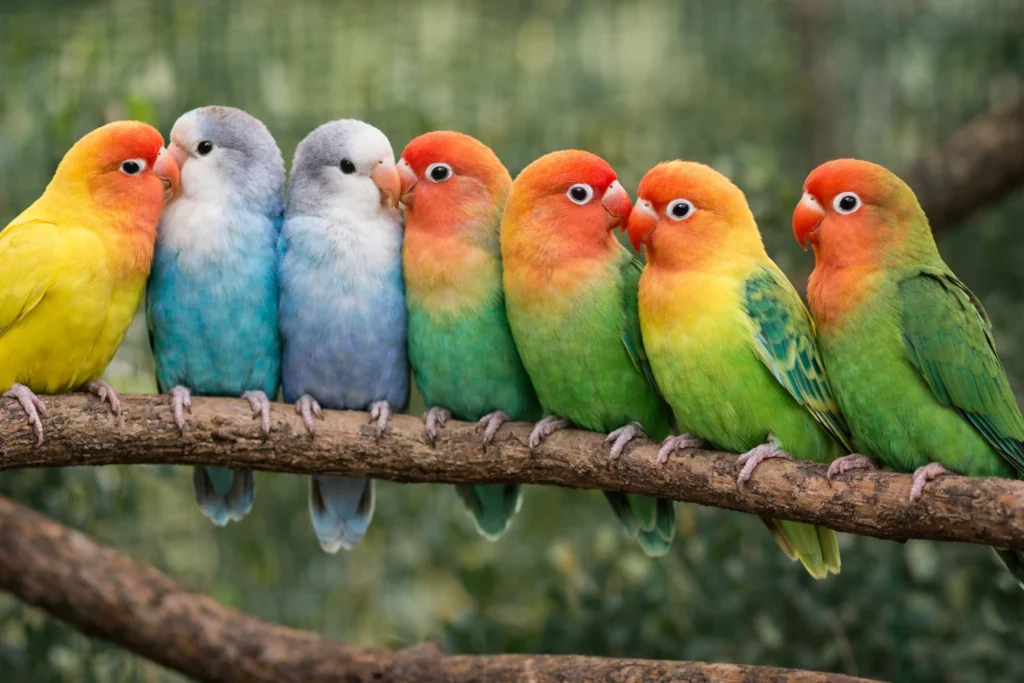
Lovebirds are small parrots native to Africa and Madagascar. Despite their romantic name, lovebirds have a reputation for being feisty, bold, and sometimes aggressive, especially toward other birds. They measure 5 to 6 inches long and weigh 40 to 60 grams.
Lovebirds are intensely loyal to their chosen person or partner. They are highly energetic, curious, and mischievous. Unlike budgies and cockatiels, lovebirds rarely talk but are incredibly entertaining to watch. They have strong beaks and love to chew, so providing plenty of toys is essential.
Personality and Temperament
Personality is arguably the most important factor when choosing a pet bird. Let us look at how these three birds differ in temperament.
Budgie Personality
Budgies are cheerful, social, and relatively easy-going. They enjoy interacting with their owners but are also content to entertain themselves if given proper toys and stimulation. Budgies are not usually aggressive, though untamed birds can be nippy.
One of the best things about budgie personality is their adaptability. They adjust well to different environments and can bond with multiple family members. They are not usually one-person birds, which makes them great for families.
Budgies are curious and love to explore. They enjoy climbing, chewing, and investigating anything new in their environment. If you want a bird that is fun to watch and easy to interact with, a budgie is a fantastic choice.
Cockatiel Personality
Cockatiels are known for being gentle, calm, and deeply affectionate. They love to be petted, especially around the head and behind their crest feathers. Many cockatiels will actively seek out their owner’s attention and enjoy sitting on shoulders or snuggling close.
However, cockatiels can be prone to separation anxiety. They form very strong bonds with their owners, and if left alone for long periods, they may become stressed, exhibit excessive screaming, or develop behavioral problems. If you work long hours away from home, a cockatiel may struggle without regular interaction.
Cockatiels are also known for being nippy during hormonal periods, particularly in males during breeding season. This is normal behavior and usually passes, but it is worth knowing in advance.
Lovebird Personality
Lovebirds are bold, energetic, and intensely devoted, but they can also be nippy, territorial, and demanding. The name “lovebird” refers to the strong pair bonds these birds form, but that intensity cuts both ways. A lovebird that bonds strongly with you will be fiercely loyal. But a lovebird that does not receive enough attention may become aggressive or develop bad habits.
Lovebirds are not typically beginner birds. They require confident, consistent handling and plenty of socialization from a young age. When well-tamed, however, a lovebird can be an incredibly rewarding companion, playful, entertaining, and full of personality.
It is also worth noting that lovebirds can be aggressive toward other bird species. If you already have birds at home, introducing a lovebird requires careful supervision.
Personality Summary:
- Most gentle and easy-going: Cockatiel
- Most adaptable for families: Budgie
- Most intense and passionate: Lovebird
Noise Level
Noise is a major factor, especially if you live in an apartment or have close neighbors.
Budgie Noise Level
Budgies are chatty birds. They chirp, tweet, and chatter throughout the day, but their sounds are relatively soft and melodic. Most people find budgie sounds pleasant rather than annoying. If you keep a single budgie, it may chirp quietly. If you keep a pair or a group, the noise level rises, but it rarely reaches ear-splitting levels.
Budgies can also mimic human voices and household sounds. This is usually entertaining rather than disruptive. Overall, budgies are considered low- to moderate-noise birds, a good choice for apartment living.
Cockatiel Noise Level
Cockatiels are moderate to loud in terms of noise. Male cockatiels, in particular, love to whistle and can develop loud, repetitive contact calls if they feel lonely or anxious. The contact call, a sharp, repeated whistle used to locate flock members, can be quite piercing.
That said, cockatiels are not as loud as larger parrots. With proper training and enough social interaction, excessive screaming can usually be managed. Many cockatiel owners report that their birds are noisiest in the early morning and at dusk, which mirrors natural bird behavior.
If you live in an apartment with thin walls, a cockatiel might test your neighbors’ patience, but it is still far more manageable than a macaw or an African grey.
Lovebird Noise Level
Lovebirds are surprisingly loud for their small size. They have sharp, high-pitched calls that can carry quite far. A bored or frustrated lovebird can screech persistently, which is genuinely disruptive in small living spaces.
A well-stimulated, socialized lovebird will make general chatter and contact calls throughout the day, which is manageable. But lovebirds have the reputation of being the noisiest of the three birds in this comparison, particularly when kept in pairs, as they communicate constantly.
Noise Summary:
- Quietest: Budgie
- Moderate: Cockatiel
- Loudest (for size): Lovebird
Lifespan
Understanding how long these birds live is critical before making a commitment.
Budgie Lifespan
A healthy, well-cared-for budgie typically lives between 7 to 10 years. Some budgies have been known to live up to 15 years with exceptional care. Budgies are prone to certain health issues, including tumors, obesity, and respiratory infections, so regular vet checkups are important.
Cockatiel Lifespan
Cockatiels are one of the longer-lived small parrots. A well-cared-for cockatiel can live between 15 to 25 years, and some have reportedly reached 30 years. This is a significant commitment. Before getting a cockatiel, ask yourself honestly: Can you commit to this bird for the next two decades?
Lovebird Lifespan
Lovebirds typically live between 10 to 15 years, with some reaching 20 years under excellent conditions. They fall between budgies and cockatiels in terms of lifespan commitment.
Lifespan Summary:
- Shortest commitment: Budgie (7–10 years)
- Medium commitment: Lovebird (10–15 years)
- Longest commitment: Cockatiel (15–25 years)
Care Requirements
How much time, effort, and expertise does each bird require?
Budgie Care Requirements
Budgies are among the easiest pet birds to care for, which is a big reason for their global popularity. They need a spacious cage (minimum 18 x 18 x 18 inches for a single bird), fresh food and water daily, and regular out-of-cage time for exercise and socialization.
Budgies thrive on a diet of high-quality pellets, fresh fruits, vegetables, and limited seeds. Seeds alone do not provide adequate nutrition and can lead to obesity and vitamin deficiencies.
In terms of grooming, budgies need their nails trimmed periodically and access to a cuttlebone for beak health. They generally do not need baths, but most enjoy a light misting of water or a shallow dish to splash in.
Budgies are social animals and do better in pairs if their owner cannot spend several hours daily with them. A lone budgie that receives insufficient interaction can become depressed and develop behavioral problems.
Cockatiel Care Requirements
Cockatiels require more space than budgies. A cage of at least 24 x 24 x 24 inches is recommended, though bigger is always better. Like budgies, their diet should consist primarily of pellets supplemented with fresh produce.
One unique aspect of cockatiel care is dust. Cockatiels are powder-down birds, meaning they produce a fine white dust from their feathers that can accumulate in your home and may trigger allergies in sensitive individuals. Regular cage cleaning and air filtration can help manage this.
Cockatiels also need more social interaction than budgies. They are not independent birds and can develop “night frights,” sudden panicking in the dark, which means some owners use a night light near their bird’s cage. Regular out-of-cage time and daily interaction are essential for a happy, healthy cockatiel.
Lovebird Care Requirements
Lovebirds are high-energy birds that need stimulation, space, and enrichment. A cage of at least 24 x 24 x 24 inches is the minimum, and they should have plenty of perches of varying diameters, chew toys, and foraging opportunities.
Lovebirds are notorious chewers. They will destroy softwood toys, cardboard, and even household items if given the opportunity. This chewing behavior is natural and healthy; it keeps their beaks in good condition, but it means you will need to budget for regular toy replacement.
One critical decision with lovebirds is whether to keep them solo or in a bonded pair. A single lovebird requires extensive owner interaction to stay happy and well-adjusted. A bonded pair of lovebirds will be less dependent on their owner but may also become less tame over time. If you want a lovebird that bonds closely with you, solo keeping with daily handling is the way to go.
Care Difficulty Summary:
- Easiest: Budgie
- Moderate: Cockatiel
- Most demanding: Lovebird
Cost Comparison
Let us talk money, both the upfront cost and ongoing expenses.
Initial Purchase Price
Budgies are the most affordable of the three, typically costing between $20 to $75 from a pet store or breeder. Cockatiels range from $80 to $250, depending on the color mutation. Lovebirds usually cost between $50 to $200, with rare mutations fetching higher prices.
Setup Costs
All three birds require a cage, perches, food dishes, toys, and initial supplies. Budget approximately:
- Budgie setup: $100 to $200
- Cockatiel setup: $150 to $300
- Lovebird setup: $150 to $300
Ongoing Monthly Costs
Monthly expenses include food, toys, and occasional vet visits. Budgies are the cheapest to maintain at roughly $20 to $40 per month. Cockatiels and lovebirds cost slightly more due to their size and need for more toys, typically $30 to $60 per month.
Veterinary care is an important cost to factor in. All three birds should see an avian vet at least once a year, and emergency vet visits for birds can be expensive. Pet insurance for birds is available and worth considering.
Cost Summary:
- Least expensive overall: Budgie
- Mid-range: Lovebird
- Highest long-term investment (due to lifespan): Cockatiel
Talking Ability
Many people dream of having a talking bird. How do these three compare?
Budgie Talking Ability
Budgies are actually excellent talkers, far better than most people expect. Male budgies, in particular, can develop vocabularies of 100 words or more. Their voices are typically high-pitched and slightly robotic, but many budgies learn to repeat phrases clearly and in context.
The key to teaching a budgie to talk is patience and repetition. Spending time speaking directly to your budgie every day and repeating simple phrases consistently will yield results over weeks and months.
Cockatiel Talking Ability
Cockatiels can talk, but they are not as naturally gifted as budgies in this area. Many cockatiels learn a few words or short phrases, but their real strength is whistling. Cockatiels can learn complex melodies and whistle entire songs with impressive accuracy. If you want a musical bird rather than a talking bird, a cockatiel is the better choice.
Male cockatiels are far more likely to talk and whistle than females. Females tend to be quieter and less vocal overall.
Lovebird Talking Ability
Lovebirds are the weakest talkers of the three. While a few individual lovebirds have been reported to learn some words, talking is generally not a lovebird trait. If having a talking bird is a priority for you, a lovebird is probably not your best choice.
Talking Ability Summary:
- Best talker: Budgie
- Best whistler/musician: Cockatiel
- Least likely to talk: Lovebird
Which Bird Suits Which Lifestyle?
Now, let us get to the heart of the matter. Based on everything we have covered, which bird is right for you?
Best for First-Time Bird Owners: Budgie
If you have never owned a bird before, a budgie is the safest and most rewarding starting point. They are forgiving of beginner mistakes, adaptable to different environments, relatively affordable, and genuinely entertaining. Their soft chatter, playful personalities, and ability to talk make them endlessly enjoyable companions.
A budgie will teach you the fundamentals of bird care, diet, cage maintenance, taming, and training without overwhelming you. Once you have experience with a budgie, you will have the knowledge and confidence to consider a more demanding bird in the future.
Best for Affection and Bonding: Cockatiel
If your priority is a bird that loves to be held, cuddled, and pet, a bird that greets you when you come home, and sits with you while you watch television, a cockatiel is probably your ideal match. They are unmatched in the small parrot world for their gentle, loving temperament.
However, remember that cockatiels need a lot of your time. If you work from home or spend significant time at home each day, a cockatiel will thrive. If you are away for 10 or more hours a day, consider whether a cockatiel will get the attention it needs or whether keeping two cockatiels together would be a better solution.
Best for Experienced Bird Owners: Lovebird
Lovebirds reward patient, experienced owners who understand bird behavior and body language. If you have already owned birds, can read warning signs of stress or aggression, and are willing to invest time in consistent handling and training, a lovebird can be an extraordinary companion.
Their bold personalities, fierce loyalty, and entertaining antics make them some of the most captivating small parrots available. But they are not for everyone, and they are definitely not for beginners.
Best for Apartment Living: Budgie
Due to their lower noise levels and smaller cage requirements, budgies are the best choice for apartment dwellers. A single budgie or a quiet pair can be kept in a modest space without disturbing neighbors.
Best for Families with Children: Cockatiel or Budgie
Both cockatiels and budgies can do well in family environments, provided children are taught to interact with birds gently and respectfully. Cockatiels are particularly good with older children due to their gentle nature. Budgies are a safer option around younger children due to their smaller beak and more forgiving temperament.
Lovebirds, with their nippy tendencies, are generally not recommended for households with young children.
Best for Someone Who Travels Frequently: Budgie Pair
If you travel regularly for work or pleasure, keeping a single bird of any species is problematic. Birds need daily interaction and stimulation. If you travel often, consider keeping a bonded pair of budgies. They will keep each other company in your absence and are more resilient to brief periods without owner interaction than cockatiels or solo lovebirds.
Common Health Issues to Watch Out For
Every prospective bird owner should be aware of the common health concerns associated with their chosen species.
Budgie Health Issues
Budgies are prone to tumors, particularly fatty tumors (lipomas) and internal tumors. They can also develop psittacosis (a bacterial infection), scaly face mites, and egg binding in females. Obesity is a common problem in budgies fed a seed-heavy diet.
Regular vet visits and a balanced diet are the best preventative measures.
Cockatiel Health Issues
Cockatiels are susceptible to respiratory infections, especially in dusty or poorly ventilated environments. They can also develop psittacine beak and feather disease (PBFD), a serious viral condition that affects feather growth. Female cockatiels are prone to chronic egg-laying, which can deplete calcium stores and lead to serious health problems.
As mentioned earlier, cockatiel dust can be a significant allergen for people with asthma or bird allergies.
Lovebird Health Issues
Lovebirds are generally hardy birds but can be prone to chlamydiosis, proventricular dilation disease, and nutritional deficiencies if fed an inadequate diet. Feather-destructive behavior, where a lovebird plucks or chews its own feathers, can develop in birds that are bored, stressed, or understimulated.
Quick Comparison Table
Here is a summary of all the key factors side by side:
| Category | Budgie | Cockatiel | Lovebird |
| Size | Small (7 in) | Medium (12 in) | Small (5–6 in) |
| Lifespan | 7–10 years | 15–25 years | 10–15 years |
| Noise Level | Low | Moderate | Moderate–High |
| Talking Ability | Excellent | Fair | Poor |
| Affection Level | Moderate | Very High | High (intense) |
| Care Difficulty | Easy | Moderate | Moderate–Hard |
| Cost | Low | Medium | Medium |
| Best For | Beginners | Bonding/Cuddling | Experienced owners |
| Apartment Friendly | Yes | Somewhat | Not ideal |
| Family Friendly | Yes | Yes | With caution |
Final Verdict – Which Bird Should You Choose?
After this deep-dive comparison, here is the bottom line:
Choose a “BUDGIE” if:
- You are a first-time bird owner.
- You live in an apartment or a small space.
- You want a talking bird.
- You have a modest budget.
- You travel occasionally and need a low-maintenance companion.
Choose a “COCKATIEL” if:
- You want a deeply affectionate, cuddly bird.
- You spend a lot of time at home.
- You enjoy watching a bird whistle and sing.
- You are prepared for a 15 to 25-year commitment.
- You can manage moderate noise levels.
Choose a “LOVEBIRD” if:
- You have previous bird experience.
- You want an intense, fiercely loyal companion.
- You enjoy a bold, feisty personality.
- You have time for consistent daily handling and training.
- You find the challenge of a spirited bird exciting rather than overwhelming.
Conclusion
The “best” pet bird does not exist in absolute terms; it only exists in relation to your life. A budgie that thrives in a studio apartment might be miserable in a chaotic household. A cockatiel that flourishes with a work-from-home owner might wither with someone who travels five days a week. A lovebird that becomes a confident owner’s best friend might terrorize a novice owner.
The good news is that all three birds, budgies, cockatiels, and lovebirds, are wonderful creatures capable of bringing incredible joy, laughter, and companionship into your home. Do your research, be honest about your lifestyle and limitations, and choose accordingly.
Whichever bird you choose, commit fully: provide a proper diet, a spacious cage, regular veterinary care, plenty of enrichment, and most importantly your time and attention. Birds are not decorations. They are intelligent, emotional animals that deserve to be treated as the companions they truly are.
Your bird will give you everything it has. Make sure you are ready to do the same.
A: Budgies and cockatiels are both relatively easy to tame, but cockatiels are generally calmer and more patient during the taming process. Budgies can be nippy when scared, but they tame quickly with consistent, gentle handling.
A: Yes, lovebirds can be kept alone, but they require several hours of daily interaction with their owners to stay happy and mentally healthy. A lonely, unstimulated lovebird can develop behavioral problems, including feather plucking and excessive screaming.
A: They can coexist peacefully in some cases, but it is generally not recommended to house them together. Budgies can be aggressive toward cockatiels, and the size difference means a budgie could injure a cockatiel unexpectedly. Supervised out-of-cage time together is safer than cohabitation.
A: Budgies produce the least dander of the three. Cockatiels produce significant amounts of feather dust, which can trigger allergies. Lovebirds fall in between. If allergies are a concern, a budgie is your safest option, but always spend time with the bird species before committing to ensure you do not have a reaction.
A: Rarely. A very small number of lovebirds have been reported to pick up a few words, but talking is not a lovebird trait. If you want a talking bird, choose a budgie.
A: All three birds need at least 1 to 2 hours of out-of-cage time daily. Cockatiels and lovebirds are best given even more interaction time. Flying freely in a safe, bird-proofed room is important for physical and mental health.
A: Most avian experts and experienced bird owners rank the cockatiel as the friendliest small pet bird due to its gentle, affectionate, and patient nature. However, a well-tamed budgie or lovebird can be equally affectionate in its own way.